



Space economy is no science fiction.
The commercial space sector is currently booming and space technology will become crucial for global security in the near future 🌎
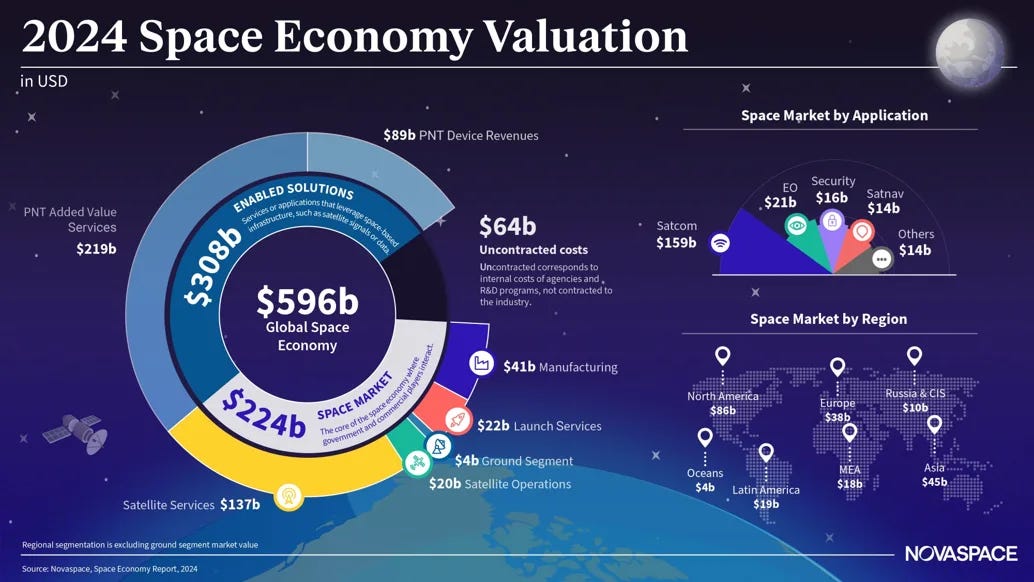
Yet, once again, the EU is risking to lag behind and fail to capitalise on its technological advantages for very familiar reasons:
Insufficient and fragmented public investment 💔,
fragmented public procurement market 🛍️,
lack of private investment 💸.
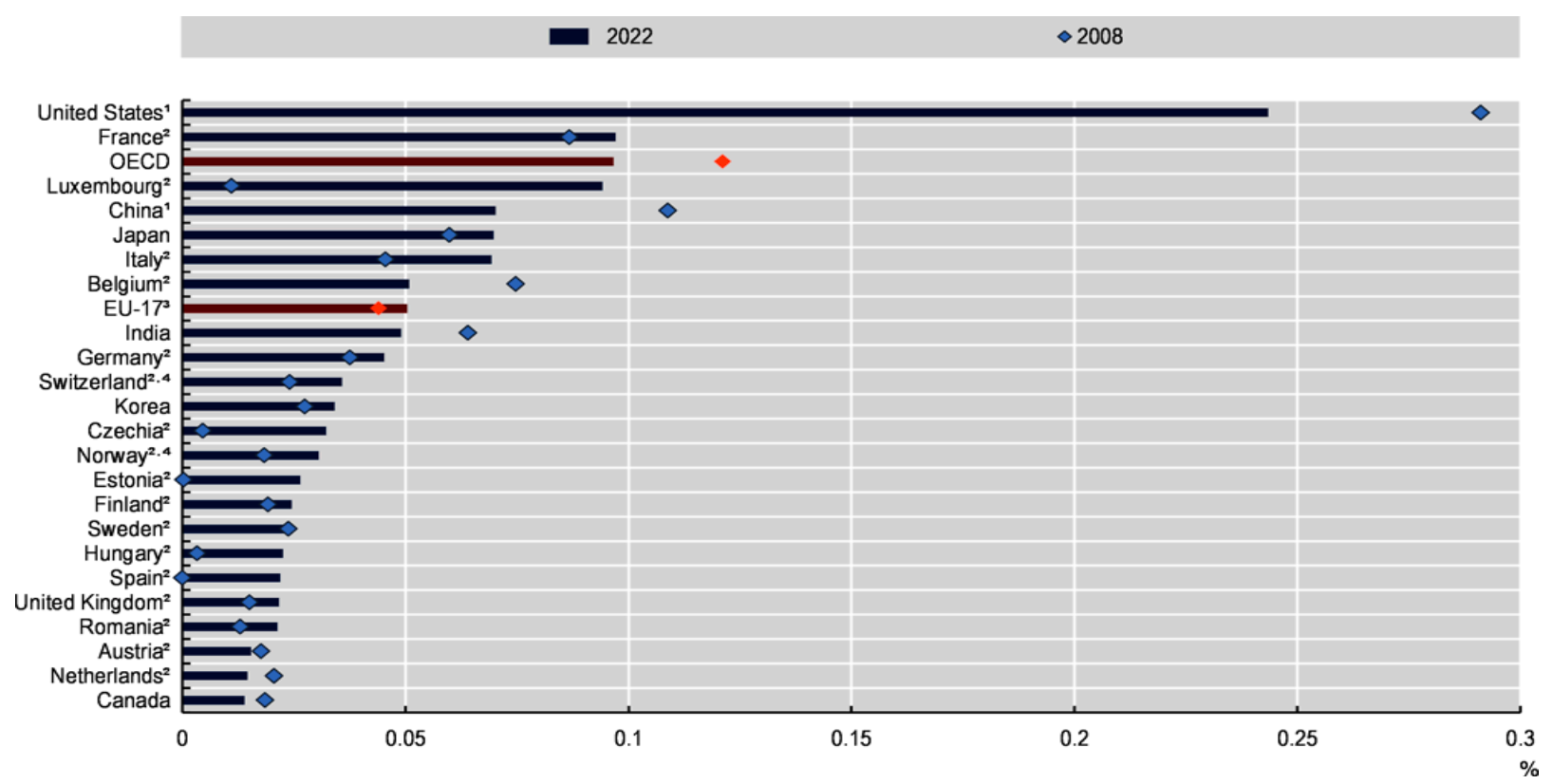
But as with all EU challenges there is still hope for a brighter future. According to the Draghi report, EU could boost its competitiveness in the space race by:
establishing a multi-purpose EU space programme, including R&D and development and deployment of space infrastructure 🇪🇺
abolishing the 'geographical return' rule of the ESA procurement framework. This rule assures participating states that their national contribution to ESA would correspond to a volume of contracts commensurate to their national space ecosystem 🤝
aggregating the commercial demand of Member States (especially for space launchers), to support both the EU's autonomous access to space and disruptive innovation along the sector's value chain (testing, production and launch facilities) 🚀
improving access to finance for SMEs, to give them the possibility to scale-up 💰
enhancing space diplomacy, to ensure EU space stakeholders fair access to international markets 🌎.
The EU has to be part of this brave new world.
We know how, and there is no more time to loose. 🇪🇺💪.


